Cheap rubbish removal versus pros for Kingston shops
Posted on 25/10/2026
If you run a shop in Kingston, rubbish has a habit of piling up at the worst possible time. One delivery turns into a mountain of cardboard. A refit leaves broken fixtures in the stockroom. The bin store is already full, and you are trying to keep the front of house tidy for customers. In that moment, the choice between cheap rubbish removal and a professional service stops being abstract. It becomes a very real decision about cost, speed, image, and risk.
This guide looks at Cheap rubbish removal versus pros for Kingston shops in plain English. We will compare what you actually get, where the hidden costs can creep in, and how local shop owners can make a sensible choice without overpaying or cutting corners. Truth be told, the cheapest option is not always the cheapest once you count time, hassle, and the odd unpleasant surprise.
For Kingston retailers, small convenience stores, cafes, salons, and independent boutiques, waste removal is not just a back-of-house chore. It affects customer experience, safety, and compliance. A good choice keeps the shop moving. A poor one creates noise, mess, and a slightly embarrassing pile of waste outside the door by lunchtime.
Why Cheap rubbish removal versus pros for Kingston shops Matters
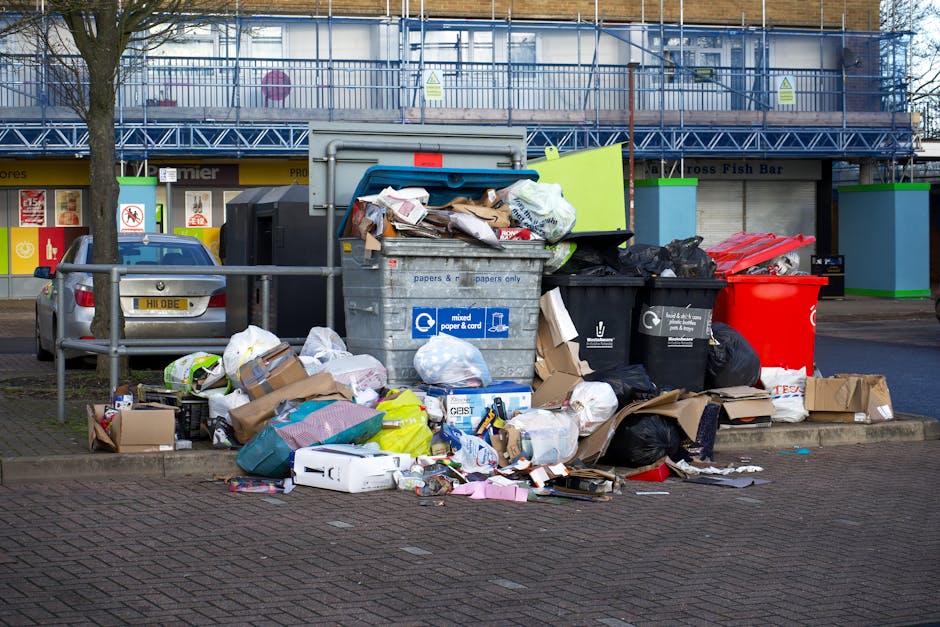
For a shop, waste removal is not just about emptying bins. It is about keeping operations smooth, protecting staff, and making sure customers are not greeted by a corridor full of broken packaging, stained waste sacks, or a wobbling stack of broken display materials. In a busy retail area like Kingston, where space is tight and footfall matters, mess has a bigger impact than many owners expect.
The comparison matters because shops tend to generate several types of waste at once: cardboard, plastic wrap, spoiled stock, old shelving, office waste, damaged promotional displays, and sometimes heavier items such as storage units or counters. Each type brings different handling needs. A very cheap service may seem fine for light mixed rubbish, but once a van arrives and the crew sees the actual load, the price can shift. Sometimes sharply. That is where people feel caught out.
Pros usually bring more than transport. They bring assessment, lifting support, loading discipline, and a clearer process for awkward jobs. For a shop manager, that can mean less disruption to opening hours and less back-and-forth about what can be collected. Cheap rubbish removal can still be useful, especially for small, straightforward loads. But if your waste is bulky, mixed, or urgent, the gap between "cheap" and "professional" becomes much more obvious.
There is also a practical image issue. Let's face it, a shop with waste hanging around the entrance does not look organised. Customers notice. Staff notice too. And if your team has to keep stepping around waste sacks for half a shift, morale dips a bit. Not dramatic, maybe, but enough.
Expert summary: For Kingston shops, the right waste solution is rarely just about the lowest quote. The better question is: how much disruption, risk, and hidden labour are you willing to absorb to save a few pounds upfront?
How Cheap rubbish removal versus pros for Kingston shops Works
At a basic level, both options aim to do the same thing: remove unwanted waste from your premises. The difference lies in how the job is assessed, priced, and carried out.
Cheap rubbish removal
Lower-cost rubbish removal often relies on a quick quote, a short visit, and a basic loading process. This can work well if the job is simple: a few black sacks, some flattened cardboard, or a modest amount of general shop waste. The price may look attractive because the service is pared back. Fewer extras. Less hand-holding. Sometimes that is exactly what a small shop wants.
But "cheap" can also mean narrower scope. For example, the quote may assume easy access, ground-floor loading, limited labour, and no sorting beyond the obvious. If your waste is in a rear yard, up stairs, behind stock, or mixed with heavier items, the real job may be more complicated than the initial price suggests. That is where clarity matters.
Professional rubbish removal
A professional service generally starts with a more careful understanding of the load. This could include access details, item types, estimated volume, weight, timing, and any constraints inside the shop or building. The crew may be better equipped for awkward lifting, tighter time windows, or more complex waste streams. In practical terms, that can reduce friction on the day.
For Kingston shops, professional removal is especially useful when the rubbish is tied to a delivery peak, stock change, refurbishment, or end-of-line clearance. If you have ever tried to move a heavy display cabinet while customers are queuing at the till, you will understand why. Some jobs are simply not worth improvising.
The best professional operators also tend to be more predictable on process: where waste will be collected from, how loading will happen, what is excluded, and what the next step is if more material turns up on site. That predictability saves time, which shop owners often value more than they realise until the busy season hits.
Key Benefits and Practical Advantages
There is no one-size-fits-all answer, but each option has strengths. Understanding those strengths helps you avoid paying for more than you need, or less than you really need.
Benefits of cheap rubbish removal
- Lower upfront cost for small, straightforward clearances.
- Fast booking for simple loads that do not need much planning.
- Useful for one-off jobs like post-promotion packaging or light stockroom decluttering.
- Simple decision-making when the waste is easy to identify and access.
Benefits of using pros
- Better handling of bulky items such as shelves, counters, broken displays, or mixed waste.
- Less disruption to trading, because professional crews usually work faster and more methodically.
- Lower risk of mistakes when waste is awkward, heavy, or mixed.
- More confidence on compliance and disposal, especially when the waste is not just ordinary bagged rubbish.
- Cleaner finish when the job needs to look neat after collection.
A useful way to think about it is this: cheap removal saves money best when the job is boring. Pros save money best when the job is annoying. Not a scientific formula, but it is a decent rule of thumb.
Another benefit of professional help is planning. If you are preparing for a sale event, stock rotation, or a short closure, the timing matters as much as the collection itself. A professional team can often work with the rhythm of the shop rather than interrupting it. That is a small thing on paper, but it can be a big relief in reality.
Who This Is For and When It Makes Sense
This topic matters to a wide range of Kingston businesses, but not every shop needs the same approach. The right choice depends on the type of waste, the frequency of collection, and how much inconvenience your team can tolerate.
Cheap rubbish removal makes sense when:
- You have a small load of general waste or cardboard.
- The items are easy to access and ready to go.
- You want a one-off clear-out without major planning.
- Your budget is tight and the job is genuinely simple.
- You are comparing quotes for a short-term need rather than an ongoing contract.
Professional removal makes more sense when:
- You are clearing bulky shop fittings or heavy items.
- The waste is mixed, awkward, or not easy to classify.
- You need collection outside normal trading hours.
- You want predictable service and minimal disruption.
- You manage multiple sites or face regular waste spikes.
Shop owners in Kingston often face a slightly mixed picture. Maybe the back room is tidy most weeks, then suddenly a seasonal changeover creates a wall of cardboard and broken packaging. Or a new display arrives, and the old one has to go out quickly. In those moments, the value of a proper service becomes much clearer.
If you are unsure where your shop sits, ask a simple question: can one person sort and move the waste without disturbing trading? If the answer is no, you are probably edging into professional-service territory.
Step-by-Step Guidance
To make a good decision, it helps to break the process down. Rushing usually leads to odd prices, awkward collection days, or more labour than you expected.
- Identify the waste clearly. Separate cardboard, general rubbish, broken fixtures, packaging, and anything potentially heavy or awkward.
- Estimate the volume. Think in practical terms: a few sacks, half a van, a full van, or more. Visual estimates are not perfect, but they are better than guessing wildly.
- Check access. Can a crew park close by? Is there a loading bay? Are there stairs, narrow corridors, or a rear yard involved?
- Decide on timing. Will collection happen before opening, after close, or during a quiet spell? Timing can affect both cost and convenience.
- Request a clear quote. The best quotes explain what is included, what is excluded, and what might change the price.
- Ask how the waste will be handled. For mixed items, it is worth knowing whether the service can take everything in one visit or whether some items need separate handling.
- Prepare the load in advance. Flatten boxes, separate loose items, and make sure staff know what is being collected.
- Review the outcome. After collection, check that the area is left tidy and that nothing important was accidentally removed.
That last step sounds obvious, but you would be surprised how often it gets skipped. A quick five-minute check saves a lot of "hang on, where did that go?" later.
Expert Tips for Better Results
Here are the things that tend to make the biggest difference for Kingston shop clearances. These are small details, but they matter more than glossy sales language.
1. Separate waste before the crew arrives
Cardboard is easier to assess when it is flattened. Mixed waste is easier to price when it is grouped. If you leave everything in one pile, the quote tends to become more cautious, and not in a good way.
2. Be honest about access
If waste has to come through a narrow back corridor or over a step, say so early. Professional crews can work around constraints, but only if they know about them. Surprises at the door usually cost time, and time costs money.
3. Keep a short list of what must stay
For shops, there is always something that looks like waste but is actually not waste. A display prop, a till accessory, a spare shelf bracket. Put those aside. Better safe than sorry, honestly.
4. Match service level to the job
If the load is simple, do not pay for unnecessary extras. If the load is awkward, do not chase the lowest number and hope for the best. The sweet spot is usually somewhere in the middle.
5. Plan around trading peaks
Late afternoons, weekends, and sale periods can make collections trickier. If possible, schedule for a quieter moment. A calm, early-morning collection before the shutters go fully up can feel almost luxurious. Almost.
One more thing: if a quote is dramatically lower than the others, take a breath. Ask what is included. Sometimes it is a genuine bargain. Sometimes it is just missing the awkward bits. You do not want to find that out when the van is already outside.

Common Mistakes to Avoid
Most avoidable problems come from the same handful of errors. The good news is that they are simple to fix once you know what to watch for.
- Choosing on price alone. Cheap is appealing, but the lowest quote may exclude the very things your shop actually needs.
- Underestimating volume. A stockroom can hold far more waste than it first appears, especially after a refit or seasonal reset.
- Mixing easy and difficult waste together. Once everything is lumped into one pile, pricing becomes less transparent.
- Ignoring access issues. Narrow routes, parking limits, and upper-floor storage all affect the job.
- Leaving the booking too late. If you need same-day help, prices and availability can become tighter.
- Not checking disposal standards. Shops should always understand where their waste is going in broad terms, especially for items that need careful handling.
- Forgetting staff coordination. A collection can go badly simply because no one was told which items were meant to go.
There is also a quiet mistake that happens a lot: assuming a small job does not need much explanation. It often does. A two-minute call to clarify access and waste type can save a surprisingly long headache.
Tools, Resources and Recommendations
You do not need a complicated system to manage shop waste better. A few practical tools and habits go a long way.
Useful tools for shop waste planning
- Simple inventory notes for old fixtures, packaging, and damaged stock that need removal.
- Phone photos of the waste pile before booking, which help with clearer quoting.
- A basic access checklist covering parking, lifts, doors, and rear entrances.
- Labelled storage areas so waste does not get mixed with saleable stock.
- Staff briefing notes for collections happening during open hours.
Useful pages on this site
If you are comparing broader waste options, it can help to review the wider service pages first. The services overview gives a good picture of the kinds of removal work available, while the waste removal in Kingston upon Thames page is useful if your shop needs a more general clearing solution.
For businesses that generate office-style waste as well as shop waste, the office clearance Kingston upon Thames page is worth a look. And if your waste includes bulky packaging from fit-outs or shop works, the builders waste disposal information is especially relevant.
For price transparency, the pages on pricing and quotes and recycling and sustainability can help you understand how a responsible service is usually structured. If you are choosing a provider, it also makes sense to review insurance and safety and about us before making a decision.
Law, Compliance, Standards, or Best Practice
For Kingston shops, waste handling should always be approached carefully. Different waste types may need different treatment, and shop owners still have a responsibility to make sure waste is passed to an appropriate handler. The exact obligations can vary depending on the material and circumstances, so it is wise to treat compliance as a practical habit rather than a box-ticking exercise.
In plain terms, the best practice is simple: know what you are handing over, separate where sensible, and use a service that can explain how waste will be managed. That is especially relevant for mixed commercial waste, bulky fixtures, and anything that may contain reusable or recyclable material. Good disposal should feel orderly, not improvised.
Kingston businesses also need to think about local access conditions. Busy roads, parking restrictions, and limited loading windows can affect how collections happen. If your shop is in a tight spot or a conservation-style setting, extra planning may be needed. For related local considerations, the articles on permit guidance in KT2 conservation areas and rubbish dumping laws and penalties are helpful background reading.
Best practice also means asking sensible questions before collection: Who is collecting it? What happens to recyclable material? Is access clear? Are there any items that need separate handling? Simple questions, really. But they keep you out of trouble.
Options, Methods, or Comparison Table
Here is a clear side-by-side view of the two approaches. It is not about declaring one universally better. It is about matching the method to the job.
| Factor | Cheap rubbish removal | Professional service |
|---|---|---|
| Best for | Small, simple, low-risk loads | Bulky, awkward, urgent, or mixed waste |
| Upfront cost | Usually lower | Usually higher, but often more complete |
| Time saved | Good for easy jobs | Better for complex or heavy jobs |
| Quote clarity | Can be basic | Often more detailed |
| Risk of extra charges | Higher if details are vague | Lower when the job is assessed properly |
| Disruption to trading | Low if the job is tiny | Usually lower overall for bigger jobs |
| Handling of awkward items | Limited | Stronger support and better process |
| Peace of mind | Depends on the provider | Generally stronger |
For many Kingston shops, the decision comes down to a simple test: if the waste can be removed in one neat, easy lift, cheap removal may be enough. If it needs judgement, muscle, or careful coordination, the professional option tends to win. Not glamorous, but true.
Case Study or Real-World Example
Imagine a small independent shop near Kingston town centre preparing for a seasonal reset. The owner has 12 large cardboard flats, several broken display stands, a few sacks of mixed packaging, and an old shelving unit that will not fit back through the stockroom door in one piece. At first glance, it sounds like a straightforward clearance. In reality, it is a mixed job with awkward lifting and limited space.
A cheap quote might look tempting because the waste is "only one pile." But on collection day, the crew discovers the shelving needs partial dismantling, the rear access is tighter than expected, and the cardboard is scattered through two rooms. The job takes longer. The price rises, or the collection becomes more stressful than it should have been.
Now compare that with a professional service that was told in advance about the shelving, access route, and waste mix. The crew arrives with the right expectations, plans the load properly, and clears the area with less back-and-forth. The owner still pays more than the cheapest headline quote, but the shop reopens cleanly, and staff are not left juggling waste while trying to serve customers. That is the real value.
In our experience, this is where many small business owners have the lightbulb moment. They realise they were not buying "rubbish removal" so much as buying order, time, and fewer headaches. Sounds dramatic. It usually is not. But it matters.
Practical Checklist
Use this checklist before you book removal for your Kingston shop:
- Identify the waste type: general rubbish, cardboard, fixtures, packaging, or bulky items.
- Estimate the volume: a few sacks, half a van, or a full load.
- Confirm access: parking, doors, stairs, loading bay, rear entrance.
- Choose a collection time: before opening, after close, or during a quiet period.
- Separate items that must stay: stock, equipment, or reusable displays.
- Take photos of the load: useful for clearer quotes and fewer surprises.
- Ask what is included: loading, labour, disposal, and any possible extras.
- Check how mixed waste is handled: especially if some items are bulky or fragile.
- Brief staff: so everyone knows what is being removed.
- Review the area after collection: make sure the space is left tidy and usable.
If you can tick most of those off, you are already ahead of the game. A little prep saves a lot of faff later.
Conclusion
For Kingston shops, the choice between cheap rubbish removal and professional support is really about matching the service to the situation. Cheap removal can be a smart, efficient answer for small, simple loads. Pros are usually the better call when the waste is bulky, mixed, urgent, or awkward to move. The mistake most businesses make is treating those two options as if they are interchangeable. They are not.
The best outcome is usually the one that keeps your shop tidy, your team free to work, and your customers unaware that there was ever a mess in the first place. That is the quiet win. No fuss, no scramble, no last-minute panic at the front door.
Before you book, take five minutes to think through access, waste type, timing, and the true size of the job. That small bit of planning can save money, reduce stress, and help you choose with confidence. And honestly, that is a pretty good return for a few minutes of thought.
Get a free quote today and see how much you can save.
Good waste decisions make a shop feel calmer, cleaner, and more in control. That counts for more than people sometimes realise.


Copyright © . House Clearance Kingston upon Thames. All Rights Reserved.